Notes From The Underground - VI
Beauty, in a person, prompts desire.
When our interest is entirely taken up by a thing, as it appears in our perception, and independently of any use to which it might be put, then do we begin to speak of its beauty.
On the other hand, beauty undoubtedly stimulates desire in the moment of arousal.
So is your desire directed at the beauty of the other? Is it a desire to do something with that beauty?
But what can you do with another person's beauty?
The satisfied lover is as little able to possess the beauty of his beloved as the one who hopelessly observes it from afar.
 [Roger Scruton, Beauty (2009)]
Much that is said about beauty and its importance in our lives ignores the minimal beauty of an unpretentious street, a nice pair of shoes or a tasteful piece of wrapping paper, as though these things belonged to a different order of value from a church by Bramante or a Shakespeare sonnet.
Yet these minimal beauties are far more important to our daily lives, and far more intricately involved in our own rational decisions, than the great works which (if we are lucky) occupy our leisure hours.
They are part of the context in which we live our lives, and our desire for harmony, fittingness and civility is both expressed and confirmed in them.
[Roger Scruton, Beauty (2009)]
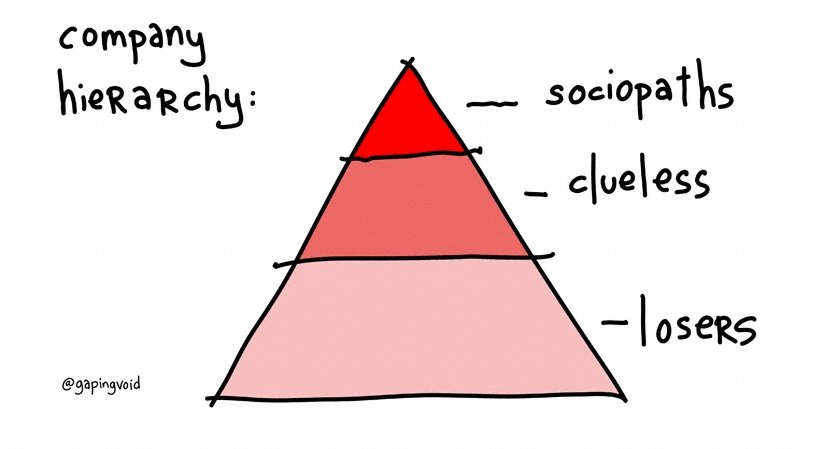 Hugh MacLeod's cartoon is a symbol of an unorthodox school of management based on the axiom that organizations don't suffer pathologies; they are intrinsically pathological constructs.
The Sociopath layer comprises the Darwinian/Protestant Ethic will-to-power types who drive an organization to function despite itself. The Clueless layer is the "Organization Man".
The Losers are not social losers (as in the opposite of "cool"), but people who have struck bad bargains economically, giving up capitalist striving for steady paychecks.
Hugh MacLeod's cartoon is a symbol of an unorthodox school of management based on the axiom that organizations don't suffer pathologies; they are intrinsically pathological constructs.
The Sociopath layer comprises the Darwinian/Protestant Ethic will-to-power types who drive an organization to function despite itself. The Clueless layer is the "Organization Man".
The Losers are not social losers (as in the opposite of "cool"), but people who have struck bad bargains economically, giving up capitalist striving for steady paychecks.
The Sociopaths defeated the Organization Men and turned them into The Clueless not by reforming the organization, but by creating a meta-culture of Darwinism in the economy: one based on job-hopping, mergers, acquisitions, layoffs, cataclysmic reorganizations, outsourcing, unforgiving start-up ecosystems, and brutal corporate raiding.
In this terrifying meta-world of the Titans, the Organization Man became the Clueless Man. MacLeod's Loser layer represent the losers in the economic sense: those who have, for various reasons, made (or been forced to make) a bad economic bargain.
They've given up some potential for long-term economic liberty (as capitalists) for short-term economic stability.
Traded freedom for a paycheck in short. They actually produce, but are not compensated in proportion to the value they create (since their compensation is set by Sociopaths operating under conditions of serious moral hazard).
They mortgage their lives away, and hope to die before their money runs out.
Losers have two ways out: turning Sociopath or turning into bare-minimum performers.
Based on the MacLeod lifecycle, we can also separate the three layers based on the timing of their entry and exit into organizations.
The Sociopaths enter and exit organizations at will, at any stage, and do whatever it takes to come out on top.
The contribute creativity in early stages of a organization's life, neurotic leadership in the middle stages, and cold-bloodedness in the later stages, where they drive decisions like mergers, acquisitions and layoffs that others are too scared or too compassionate to drive.
They are also the ones capable of equally impersonally exploiting a young idea for growth in the beginning, killing one good idea to concentrate resources on another at maturity, and milking an end-of-life idea through harvest-and-exit market strategies.
The Losers like to feel good about their lives.
They are the happiness seekers, rather than will-to-power players, and enter and exit reactively, in response to the meta-Darwinian trends in the economy.
But they have no more loyalty to the firm than the Sociopaths.
They do have a loyalty to individual people, and a commitment to finding fulfillment through work when they can, and coasting when they cannot.
The Clueless are the ones who lack the competence to circulate freely through the economy (unlike Sociopaths and Losers), and build up a perverse sense of loyalty to the firm, even when events make it abundantly clear that the firm is not loyal to them.
To sustain themselves, they must be capable of fashioning elaborate delusions based on idealized notions of the firm.
Unless squeezed out by forces they cannot resist, they hang on as long as possible, long after both Sociopaths and Losers have left.
Venkatesh Rao (2009)
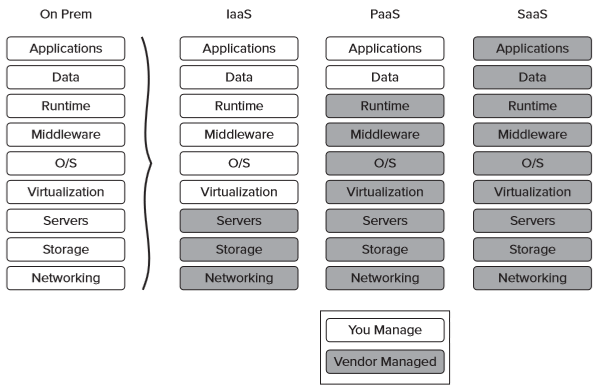
[The Cloud Infrastructure]
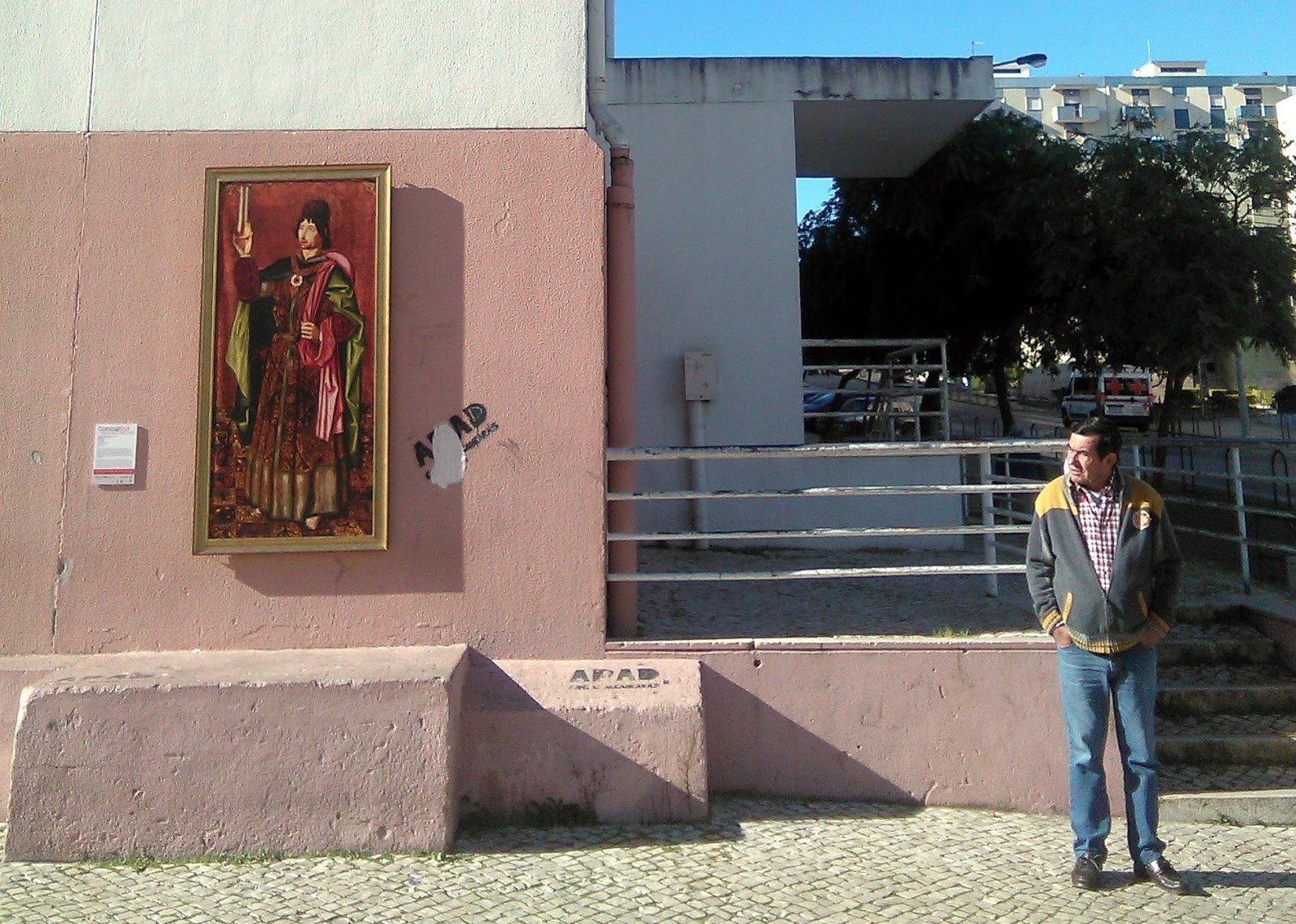
Em dois meses, desapareceram 14 dos 31 quadros da exposição "Coming Out", que o Museu Nacional de Arte Antiga espalhou pela Baixa de Lisboa.
O "Retrato do Conde de Farrobo", o "São Damião", o "Retrato do Senhor de Noirmont" e "Conversação" estão entre as réplicas furtadas, mas estas quatro continuam à vista de todos.
Só que agora é preciso atravessar o rio Tejo para vê-las.
"Não é um roubo, é um deslocamento", diz ao Observador um dos autores do desvio.
O quadro mais difícil de furtar não foi o primeiro, o "São Damião" de Bartolomé Bermejo, na Travessa dos Teatros.
"São Damião" tem 1,65 metros de altura.
Os dois rapazes esperaram pelas quatro da manhã e levaram um escadote, porque não chegavam aos parafusos superiores.
"Foi à justa que coube no carro", conta.
O objetivo do furto estava traçado desde o início: colocá-lo perto de casa, num bairro entre o Laranjeiro (Almada) e Miratejo (Seixal).
"Gostámos muito da atividade do museu e achámos que devia ser alargado a outros sítios".
Quem também parece ter gostado foram os moradores do bairro situado junto da Avenida Professor Rui Luís Gomes, que no dia 27 de novembro começaram a reparar na novidade.
"Ninguém tentou levar nem vandalizar, está intacto. Há pessoas que disseram que era o quadro mais bonito que já tinham visto", conta o autor da mudança, que considera que, ali, a pintura "ganha outra magnitude".
Desde que o MNAA começou a exposição já desapareceram 14 réplicas. Pela mão do 'Robin das Artes', não deverá desaparecer mais nenhuma.
"Já passámos a ideia. Até porque já não temos como tirar os outros [risos]".
Como último desejo, gostava que os quatro quadros "levassem gente de fora ao bairro" para os ver, tal como acontece no Chiado.
Observador (2015)
Com o tempo, e ajuda de visionários, irá se perceber que Lisboa não é uma cidade, é uma metrópole.
2013 – Joaquim Santos sublinhou ainda que "precisamos de uma região administrativa eleita, que comande o gestor operacional dos transportes.
Estes gestores operacionais têm que estar subordinados a uma visão política.
E a visão política que falta é a visão regional.
Podia já começar-se pela AML, elegendo pessoas para coordenarem esta área dos transportes."
Transportes em Revista (2013)
2013 – Desenvolvido pelo professor José Manuel Viegas, o sistema tarifário baseado em favos estava assente numa lógica zonal como base tarifária, zonamento esse que subdividia o território em polígonos regulares tornando possível a construção do tarifário a partir de qualquer localidade.
Ou seja, o cliente poderia escolher onde queria circular e pagava apenas o que tinha escolhido. A Área Metropolitana de Lisboa passava a estar dividida em 68 zonas, estando à disposição dos clientes selecionar aquelas que melhor se adaptavam às suas necessidades de mobilidade.
Para José Manuel Viegas, este sistema «é mais simples e mais justo para os clientes, porque o tarifário passa a estar centrado neles».
Transportes em Revista (2013)
2014 – Germano Martins, presidente da Autoridade Metropolitana de Transportes de Lisboa, lembrou que "a Carris e o Metro não são de Lisboa, são da região", sublinhando que é preciso ter isso em conta quando se discute a possibilidade de o município de Lisboa liderado por António Costa assumir a gestão destas empresas.
Publico (2014)
2016 – Bernardino Soares, o presidente da Câmara de Loures rejeita a entrega da Carris e do Metropolitano à câmara de Lisboa, pois tem receio de que tal se traduza num acentuar da tendência para essas empresas não darem resposta fora de Lisboa, sendo que os seus utentes ultrapassam largamente a população do concelho de Lisboa.
Para o autarca, a decisão acertada é confiar a sua gestão a uma entidade supramunicipal em que os municípios participem.
Publico (2016)
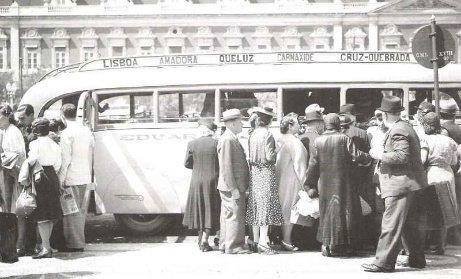 1940, Praça dos Restauradores, Lisboa
The problem with being average.
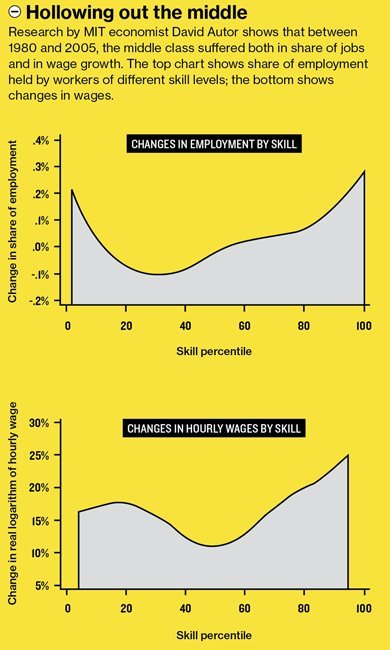 MIT Technology Review (2013)
[Profit] Make Profit By Stealing Underpants - South Park
Europeans and Westerners were not prepared for a world increasingly influenced by ideas and ideologies that originated in traditionalist non-Western cultures. Supposedly such cultures would already be modern and secular like the West, if the prophecy of the universal progress of humanity had been fully fulfilled. The European mental framework has already been overcome by reality, but its intellectual persistence is a huge obstacle to understanding the trends that are emerging in the contemporary world. Nowadays it is easy to see that the democratic and pluralist legal-constitutional edifice that was created in Europe was not thinking, nor was it prepared, to face a cultural-social and religious-political contest arising from non-Western ideas and ideologies. The Islamic attacks in recent weeks in France, which targeted both the teacher of a secular republican school (on the outskirts of Paris), and the sacristan and the faithful of a church (in Nice), leave no doubt about the frontal collision route between Islam and the French Republic. The terrain is particularly favorable to Islamists. On the one hand, they exploit the poor knowledge of what is not European and Western, as well as the guilt complexes in Europe due to the recent colonial past, whose wounds have not yet ended. On the other hand, they take advantage of the enormous demographic dynamism and youth of the people from the southern Mediterranean and other parts of the Islamic world. We do not know whether current generations of Europeans, out of indifference, neglect or misperception, will be willing to wage the long cultural, social and political struggles necessary to preserve what has been achieved at the cost of enormous sacrifices and loss of life in the past. José Pedro Teixeira Fernandes (2020) Egyptian President Gamal Adbel Nasser (1966)
Dominant urban theory marginalizes anywhere outside imagined city boundaries as the sub to the urb.
These are not apolitical research cartographies; they are exercises of power, taking care to highlight some elements and leave others out, constructing and ordering what counts.
[Matt Hern (2024)]
Nenhum homem é uma ilha isolada; cada homem é uma partícula do continente, uma parte da terra; se um torrão é arrastado para o mar, a Europa fica diminuída, como se fosse um promontório, como se fosse a casa dos teus amigos ou a tua própria; a morte de qualquer homem diminui-me, porque sou parte do género humano.
E por isso não perguntes por quem os sinos dobram; eles dobram por ti.
[John Donne (1624)]
Foi agredido o motorista de autocarro, homem branco, que chamou a PSP para denunciar a passageira Cláudia Simões, mulher negra, que viajava sem bilhete e que alega depois ter sido depois agredida por polícias.
As agressões ao motorista ocorreram na noite de 24 de Janeiro de 2020, em Massamá, concelho de Sintra, Área Metropolitana de Lisboa, Portugal.

Rebirth
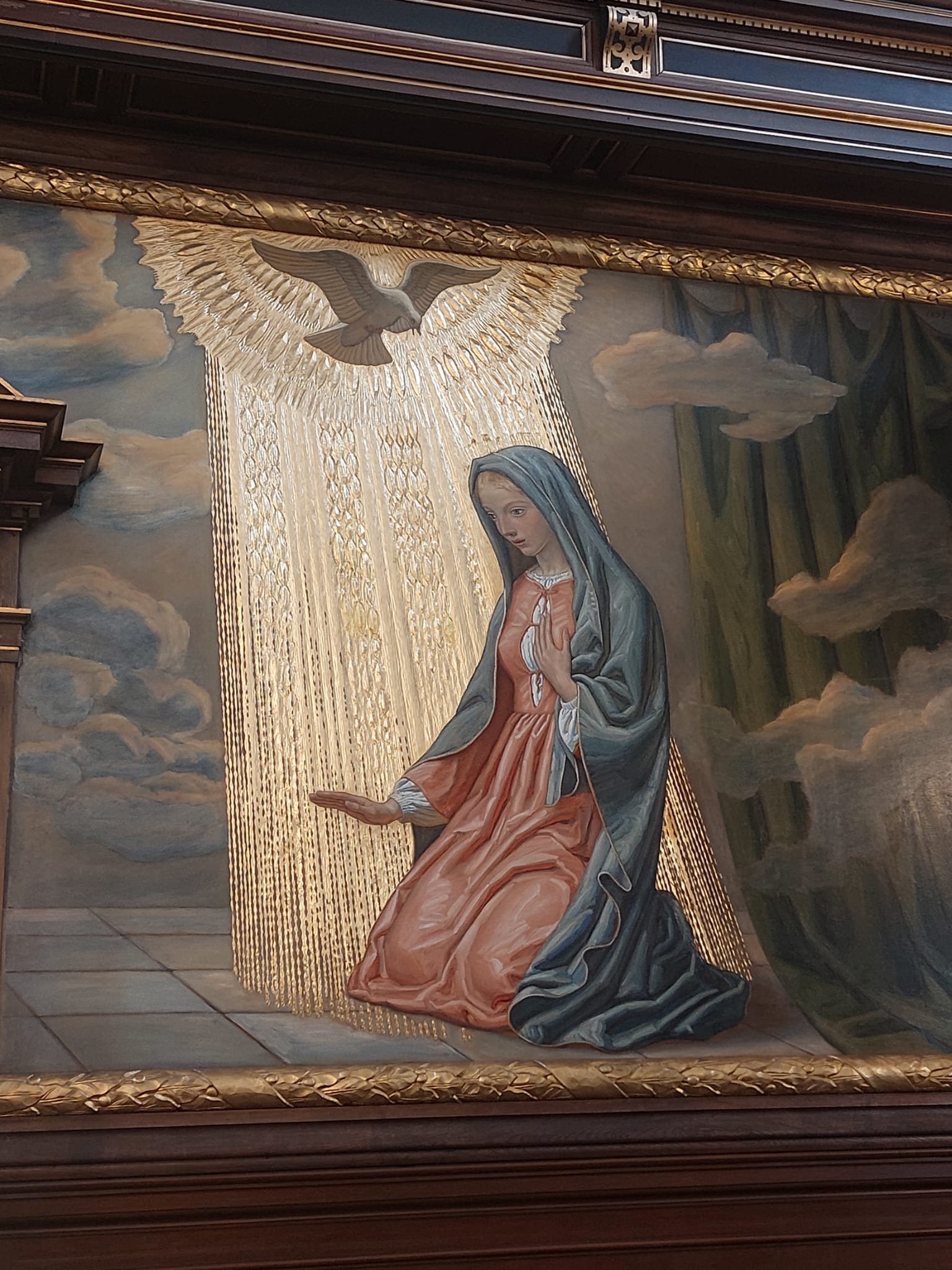 Helligaandskirken (2026)
[Erasure]
Channel 4 executives will find their bonus payments cut if they fail to meet radical new diversity targets which require women, black, asian or minority ethnic (BAME) people and the disabled to be given leading roles across all of its programmes.
Channel 4's drama and comedies are required to include at least one lead character from an ethnic minority, LGBT or disabled background and 50 per cent of the lead roles must be female, if no other minority groups feature.
Entertainment shows must also have 25 per cent female on-screen representation as well as a minimum of 15 per cent guests or presenters who are LGBT, ethnic minority, disabled or "another underrepresented group".
The commitments extend to off-screen roles: 15 per cent of the production team in scripted shows should be from an ethnic minority or have a disability.
"It is positive action, not positive discrimination", Channel 4 said.
The new targets would not prevent some good programmes from being commissioned, "We just have to look harder to find talented people from these groups".
The Independent (2015)
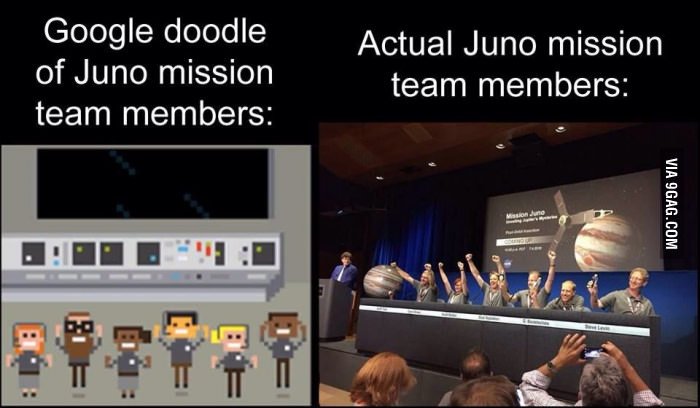
We don't need to be friends. We are family. - Stoker (2013)
 Venus, Mercury and Cupid - François Boucher (1742)
Estamos nas vésperas da Revolução: Voltaire não a sonha, mas pressente-a; não a deseja, mas prepara-a.
Entre 2007 e 2016 477 mil pessoas pediram a nacionalidade portuguesa e mais de 400 mil cidadãos tornaram-se portugueses.
Entre os países da União Europeia, Portugal vem em segundo lugar no "rácio de aquisições de nacionalidade por total de residentes estrangeiros", logo a seguir à Suécia. As alterações legislativas para a concessão da nacionalidade feitas nas duas últimas décadas muito contribuíram para tal.
As políticas e enquadramentos legais portuguesas têm sido consideradas inovadoras ao conciliar critérios de nascimento, descendência, residência, a opção voluntária para o pedido de nacionalidade e o papel que os imigrantes requerentes podem assumir para a demografia de um país naturalmente envelhecido.
No ano de 1996 houve 3700 concessões de nacionalidade portuguesa mas em 2016 esse número ascendeu a 50.793 de acordo com o Observatório das Migrações.
Público (2017)
Nasci em Portugal. Educaram-me a História de Portugal. Falo Português.
Tenho um cartão de cidadão e um passaporte que dizem que eu sou Português. Mas isso basta?
Que Cultura, História, Valores, Moral, partilho com os meus concidadãos, novos e antigos?
Não os conheço, eles não me conhecem. Devo Ser como eles ou eles Serem como eu?
Ambos somos Portugueses, mas quem define o que é a Portugalidade?
A nação foi descredibilizada em termos intelectuais e políticos, especialmente a partir dos anos 1980.
Não era uma comunidade com genuína existência real. Era uma mera construção social, uma "comunidade imaginada".
A sua dissolução em sociedades multiculturais, o mais possível diversas, tornou-se o novo ideal de perfeição e modelo de coexistência pacífica no Ocidente europeu.
Não é um processo linear e contínuo, mas é a tendência que marca a transformação social e política da Europa no longo prazo.
O mais complexo é a crescente heterogeneidade de Estados e sociedades que, num passado recente, eram bastante homogéneos em termos de grupo nacional.
O afrouxamento dos laços nacionais deixou fundamentalmente um espaço vazio.
Poucos se sentem genuinamente unidos por um europeísmo ou cosmopolitismo.
Menos ainda estariam dispostos a sacrificar a sua vida por tais ideais.
No território das grandes nações europeias surgiram então novos grupos culturais frequentemente acantonados em guetos, de dimensão e número (ainda) desconhecido.
É algo demasiado evidente nas grandes metrópoles europeias: populações que se ignoram, ou conflituam culturalmente, pois não partilham os valores mais profundos que alicerçam a cidadania.
José Pedro Teixeira Fernandes (2017)
Mas o que é Tudo, no final, é Nada.
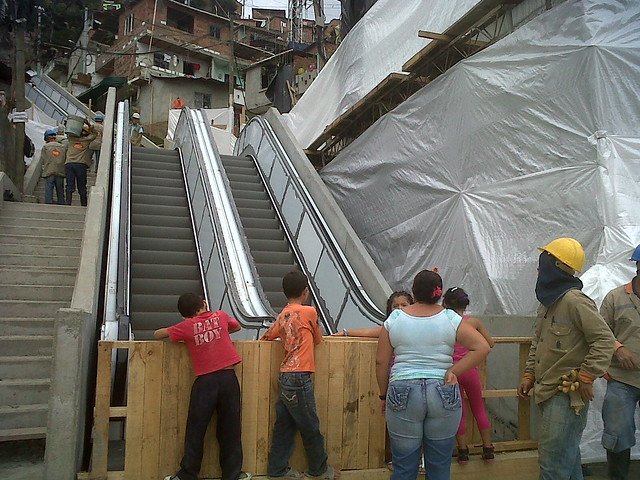
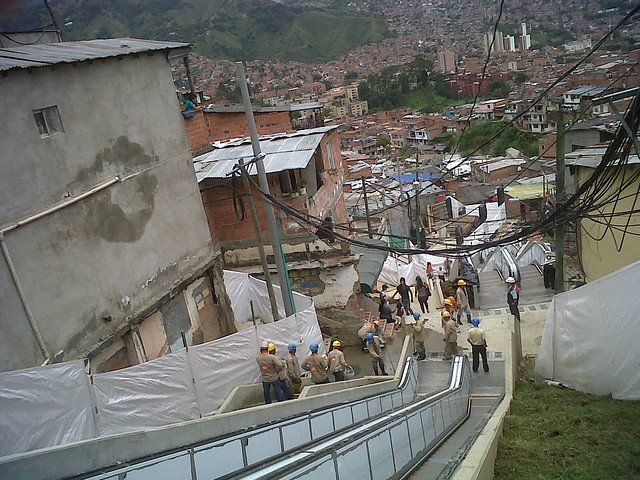
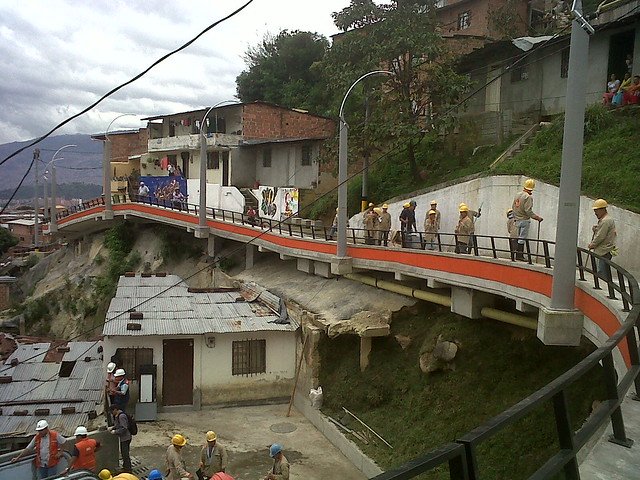
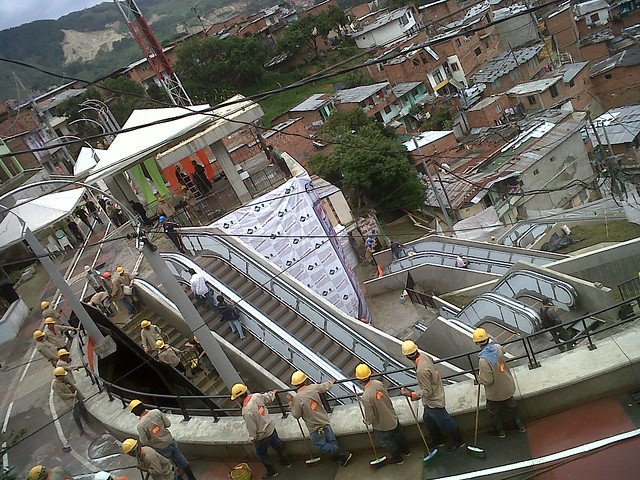
Street escalator installed in the Colombian city of Medellín.
SkyscraperCity (2011)
How can we see something from the origin of the universe?
If light was emitted from that origin, it would travel out from it at the speed of light.
Our Earth would evolve billions of years later, meaning the light of the big bang has long since passed us by.
The big bang didn't happen at a single point in our universe but throughout all of space, which was at that time contracted to a single point.
Therefore, light is not traveling "outward" from a single "center" but rather from all of space.
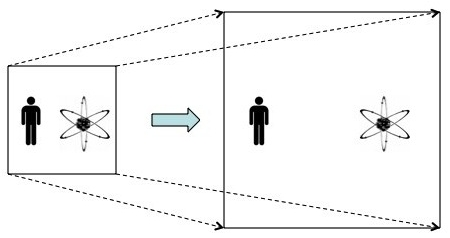 The expansion of the universe applies to intergalactic space but NOT the things in it, which are held together by the other forces of nature: gravity, electromagnetism and the strong force.
According to Einstein's Theory of Relativity, although things "in space" cannot travel faster than the speed of light, space itself is unrestricted and can expand beyond this "speed limit".
Entire galaxy clusters that are very, very distant may be "carried away" from us at faster-than-light speeds as the universe expands and in this case, we will never see them: their light itself is travelling slower than the expansion rate creating more distance between us per second than light can traverse in the same time.
Such light has a losing battle trying to get to us, and therefore we will never see it.
This "cosmic distance limit" defines the dimensions of our "Observable Universe": all objects in the universe beyond that distance are undetectable.
Larry McNish (2012)
The expansion of the universe applies to intergalactic space but NOT the things in it, which are held together by the other forces of nature: gravity, electromagnetism and the strong force.
According to Einstein's Theory of Relativity, although things "in space" cannot travel faster than the speed of light, space itself is unrestricted and can expand beyond this "speed limit".
Entire galaxy clusters that are very, very distant may be "carried away" from us at faster-than-light speeds as the universe expands and in this case, we will never see them: their light itself is travelling slower than the expansion rate creating more distance between us per second than light can traverse in the same time.
Such light has a losing battle trying to get to us, and therefore we will never see it.
This "cosmic distance limit" defines the dimensions of our "Observable Universe": all objects in the universe beyond that distance are undetectable.
Larry McNish (2012)
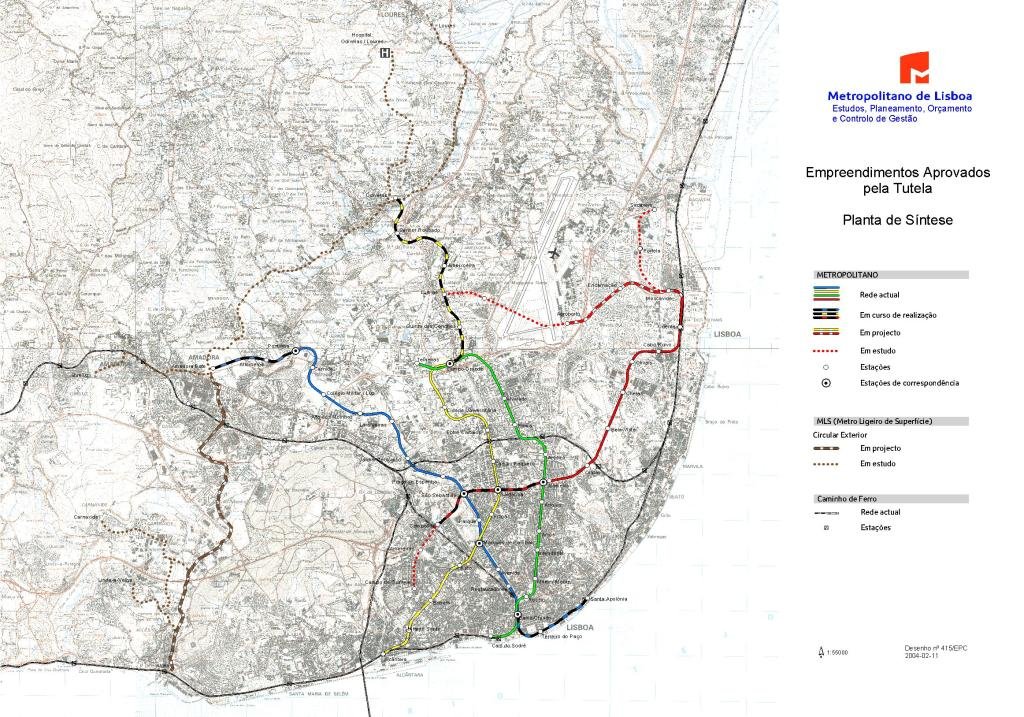
O metro ligeiro de superfície Algés – Falagueira é um meio de transporte mais rápido e com um orçamento menos elevado na sua construção do que o metro subterrâneo actualmente explorado em Lisboa.
A nova infra-estrutura visa reforçar a mobilidade na área ocidental da Grande Lisboa pelo que contempla ligações com as linhas ferroviárias de Cascais e de Sintra.
A ligação ao Metropolitano será igualmente possível, na Falagueira.
A linha Algés – Falagueira contempla 15 paragens: Algés (interface com a estação da CP), Algés-Centro, Algés-Norte, Algés-Miraflores, Miraflores, Outurela, Quinta do Paizinho, Bairro do Zambujal, Alfragide, Alfragide/IC19, Damaia, Damaia (interface com a estação da CP), Venda Nova, Venda Nova Norte, Falagueira (interface com a linha azul do Metro).
A distância média entre cada paragem é de 530 metros e o tempo de viagem será de cerca de vinte minutos.
O investimento global no metro ligeiro de superfície que irá ligar os concelhos de Oeiras e Amadora está inicialmente orçado em 232 milhões de euros.
O metro irá contar com corredores próprios o que irá obrigar a uma reconversão urbana.
Com o objectivo de ser criada uma circular periférica de metro ligeiro de superfície em torno de Lisboa, concluída esta etapa do projecto, a segunda fase compreende a ligação entre Falagueira, Odivelas e Loures.
Correio da Manhã (2004)
Trajectórias Residenciais é um projeto de uma equipa de investigadores do ISCTE que procura aprofundar o conhecimento sobre as trajetórias residenciais da população que reside ou já residiu na Área Metropolitana de Lisboa. Em Portugal, o processo de urbanização, que tem início na década de 50, atinge o seu auge na década seguinte, entrando pelos "conturbados" anos 70. Era nas periferias ou nos limites periféricos da cidade que se construíam os "novos bairros", de habitação colectiva ou de moradias, frequentemente clandestinas. A periferização é pois, aqui e em qualquer parte de mundo, uma inevitabilidade da constituição da própria metrópole, a condição sine qua non à expansão territorial e humana que a caracteriza. Num lento processo de "contágio" social que se vai expandido ao ritmo das transformações sócio-culturais, a palavra periferia ganha um tom valorativo, leia-se depreciativo, mais do que designativo. Hoje, o enaltecimento da urbanidade por oposição à suburbanidade é o referencial dominante entre quem pensa, faz e gere a cidade. A absolutização deste referencial, ao dispensar análises mais ligadas às práticas e subjetividades individuais, alimenta um discurso em torno das lógicas de ocupação do espaço metropolitano que se esgota em 2 argumentos, entendidos como constrangimentos estruturais impostos pela oferta: i) as pessoas terão sido forçadas a sair da cidade; ii) e nela não residem, nomeadamente no centro, "apenas" porque não podem. Trajectórias Residenciais (2013)
[Amadora, Escola de Campeões]
 (2015)
Transformational Leadership: Vision, Inspirational Communication, Intellectual Stimulation, Supportive Leadership, Personal Recognition
Transformational Leadership is predictive of lean product development capabilities (working in small batches, team experimentation, gathering and implementing customer feedback) and technical practices (test automation, deployment automation, trunk-based development, shift left on security, loosely coupled architecture, empowered teams, continuous integration).
[Accelerate (2018)]
[Male Neural Activation]
A striking event was the way in which Premier League footballers, reopening the season in empty stadiums, wore shirts emblazoned with the slogan of the new universal Left, 'Black Lives Matter'. All, along with the referee and match officials, also 'took the knee', the sign of obeisance to the new ideology. As far as I know, none of those involved had any qualms about this. But if they had done, would they have dared express them, if they wished to continue in professional football? Would the world have praised their conscientious courage, or would they have been hosed down with claims that they were 'racists' and then 'cancelled'? You know the answer as you ask the question. Who doesn't think black lives matter? But that is not what these displays mean. They are about particular ways of holding those views, ways which lead relentlessly to intolerance of dissent, to the enforcement – by threats to the livelihoods of dissenters – of a single set of acceptable opinions. And it is not enough to keep quiet. If you are suspected of thinking the wrong thing, they will come and cancel you anyway. I now think this is just a matter of time. Prepare to be cancelled. Peter Hitchens (2020)
[The Lebenswelt]
To describe the "order of nature" in terms of some complete and unified science is to give a systematic answer to the question "what exists?"
But the world can be known in another way.
The world known in this other way will be an "emergent" world, represented in the cognitive apparatus of the perceiver, but emerging from the physical reality, as the face emerges from the pigments on the canvas, or the melody from the sequence of pitched sounds.
The relation of emergence is nonsymmetrical.
The order of nature does not emerge from the Lebenswelt; its existence is presupposed by the Lebenswelt, but not vice versa.
Someone who wished to design a machine capable of delivering a Beethoven's concerto to the ear would be helped by an analysis of the pitches and their duration.
He could transcribe this analysis into a suitable digital notation and use the result to program a device capable of producing pitched sounds in sequence.
The reductivist would argue that therefore the music is nothing but the sequence of pitched sounds, since if you reproduce the sequence, you reproduce the music.
Sure, the music depends upon, is emergent from, the sequence of sounds. The sounds are "ontologically prior." But to hear the music it is not enough to notice the sounds.
Music is inaudible, except to those with the cognitive capacity to hear movement in musical space, orientation, tension and release, the gravitational force of the bass notes, and so on.
Music is certainly part of the real world. But it is perceivable only to those who are able to conceptualize and respond to sound in ways that have no part to play in the physical science of acoustics.
Again we have a useful parallel in the study of pictures.
There is no way in which we could, by peering hard at the face in Botticelli's Venus, recuperate a chemical breakdown of the pigments used to compose it.
Of course, if we peer hard at the canvas and the substances smeared on it, we can reach an understanding of its chemistry.
But then we are not peering at the face – not even seeing it.
I don't want to say that I am something other than this biological organism that stands before you.
This here thing is what I am.
In describing a sequence of sounds as a melody, I am situating the sequence in the human world: the world of our responses, intentions, and self-knowledge.
I am lifting the sounds out of the physical realm, and repositioning them in the Lebenswelt, which is a world of freedom, reason and interpersonal being.
But I am not describing something other than the sounds, or implying that there is something hiding behind the sounds, some inner "self" or essence that reveals itself to itself in some way inaccessible to me.
I am describing what I hear in the sounds, when I respond to them as music.
I situate the human organism in the Lebenswelt; and in doing so I use another language, and with other intentions, than those that apply in the biological sciences.
[The Soul of the World (2014), Roger Scruton]
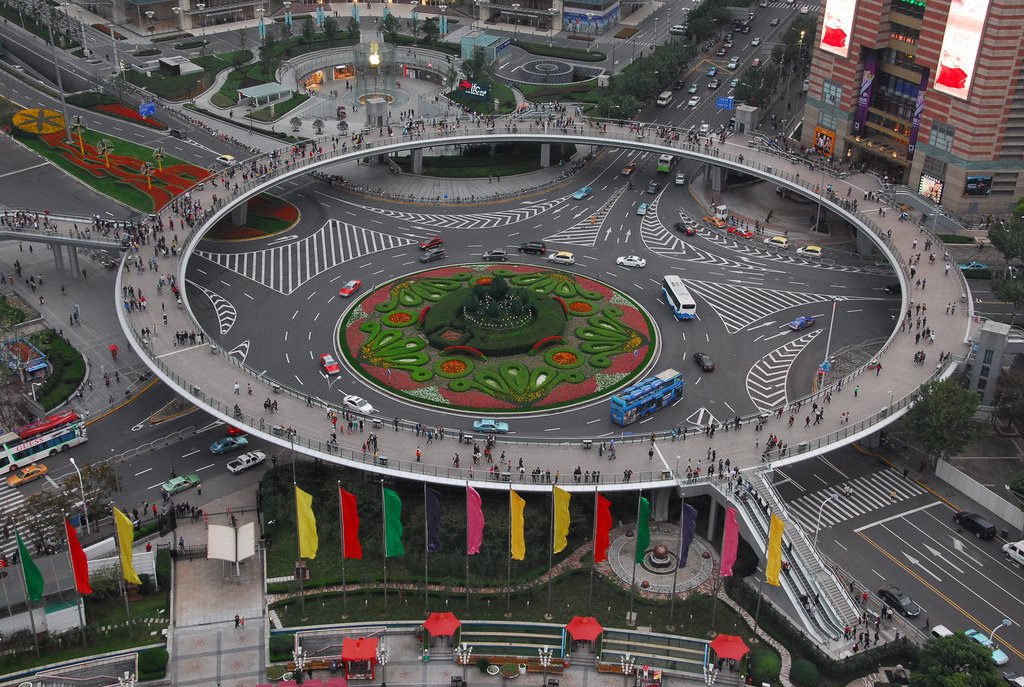
[Lujiazui Circular Pedestrian Bridge, Shanghai, China]
 (2017)
[E Pluribus Unum]
In the theoretical toolkit of social science we find two diametrically opposed perspectives on the effects of diversity on social connections.
The first, usually labelled the "contact hypothesis", argues that diversity fosters interethnic tolerance and social solidarity.
As we have more contact with people who are unlike us, we overcome our initial hesitation and ignorance and come to trust them more.
More formally, according to this theory, diversity reduces ethnocentric attitudes and fosters out-group trust and solidarity.
For progressives, the contact theory is alluring, but I think it is fair to say that most (though not all) empirical studies have tended instead to support the so-called "conflict theory", which suggests that, for various reasons (above all, contention over limited resources) diversity fosters out-group distrust and in-group solidarity.
On this theory, the more we are brought into physical proximity with people of another race or ethnic background, the more we stick to 'our own' and the less we trust the 'other'.
Contact theory suggests that diversity erodes the in-group/out-group distinction and enhances out-group solidarity or bridging social capital, thus lowering ethnocentrism.
Conflict theory suggests that diversity enhances the in-group/out-group distinction and strengthens in-group solidarity or bonding social capital, thus increasing ethnocentrism.
However, once we recognize that in-group and outgroup attitudes need not be reciprocally related, but can vary independently, then we need to allow, logically at least, for the possibility that diversity might actually reduce both in-group and out-group solidarity – that is, both bonding and bridging social capital.
We might label this possibility 'constrict theory'. Diversity seems to trigger not in-group/out-group division, but anomie or social isolation.
In colloquial language, people living in ethnically diverse settings appear to 'hunker down' – that is, to pull in like a turtle.
A wide array of other measures of social capital and civic engagement are also negatively correlated with ethnic diversity.
Diversity does not produce 'bad race relations' or ethnically-defined group hostility, our findings suggest.
Rather, inhabitants of diverse communities tend to withdraw from collective life, to distrust their neighbours, regardless of the colour of their skin, to withdraw even from close friends, to expect the worst from their community and its leaders, to volunteer less, give less to charity and work on community projects less often, to register to vote less, to agitate for social reform more, but have less faith that they can actually make a difference, and to huddle unhappily in front of the television.
Note that this pattern encompasses attitudes and behavior, bridging and bonding social capital, public and private connections.
Diversity, at least in the short run, seems to bring out the turtle in all of us.
[E Pluribus Unum: Diversity and Community in the Twenty-first Century. The 2006 Johan Skytte Prize Lecture. 2007 Nordic Political Science Association. Robert D. Putnam]
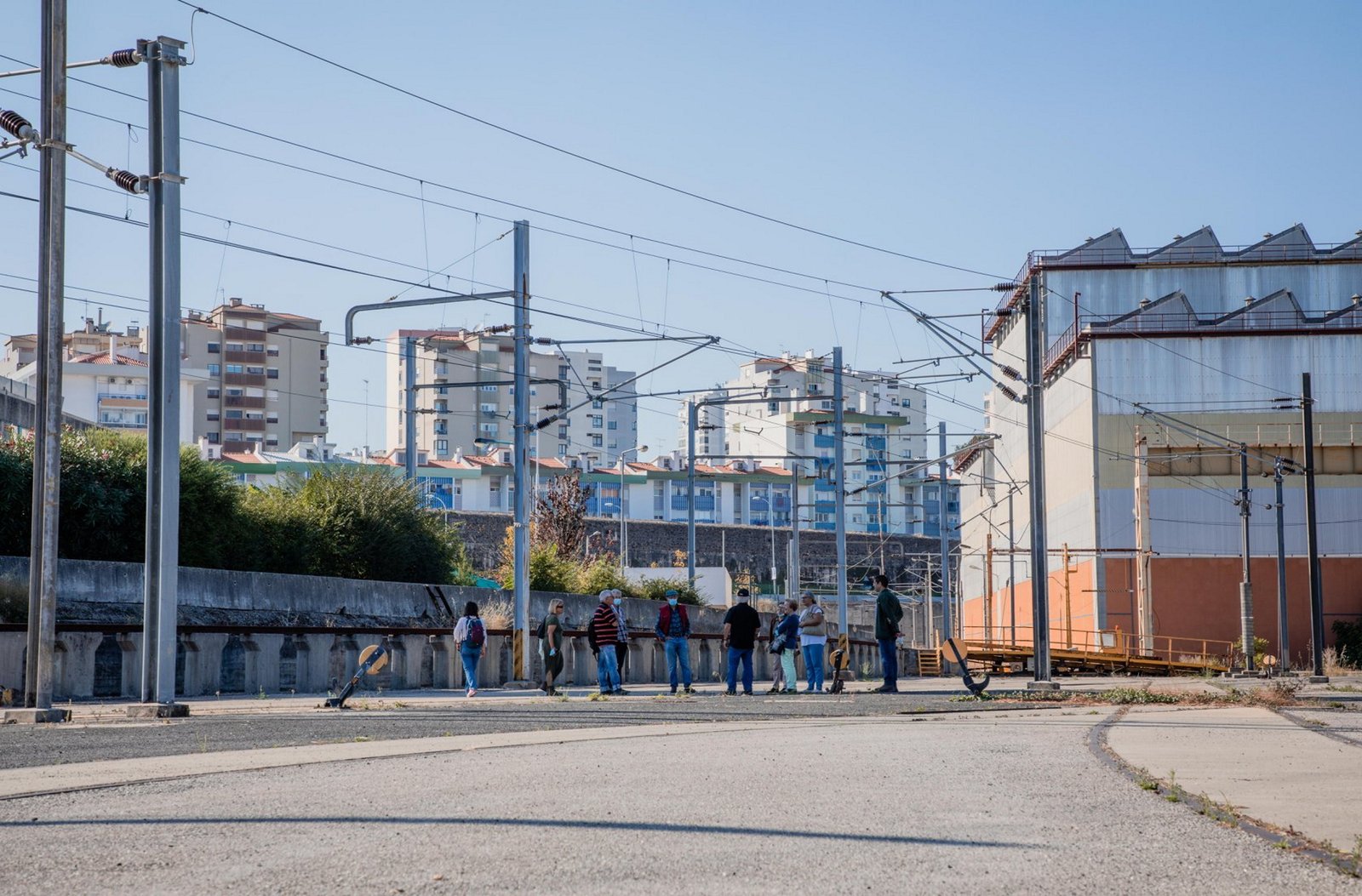
[Falagueira, Amadora]
 (2022)
[Rome, the Civilisation State]
A spectre is haunting the liberal West: the rise of the civilisation-state.
As America's political power wanes and its moral authority collapses, the rising challengers of Eurasia have adopted the model of the civilisation-state to distinguish themselves from a paralysed liberal order.
Adrian Pabst observes that "in China and Russia the ruling classes reject Western liberalism.
They define their countries as distinctive civilisations with their own unique cultural values and political institutions."
From China to India, Russia to Turkey, the great and middling powers of Eurasia are drawing ideological succour from empires which they claim descent, remoulding their non-democratic, statist political systems as a source of strength rather than weakness, and upturning the liberal-democratic triumphalism of the late 20th century.
The Chinese political theorist Zhang Weiwei observed with pride that "China is now the only country in the world which has amalgamated the world's longest continuous civilization with a huge modern state…
Being the world's longest continuous civilization has allowed China's traditions to evolve, develop and adapt in virtually all branches of human knowledge and practices, such as political governance, economics, education, art, music, literature, architecture, military, sports, food and medicine. The original, continuous and endogenous nature of these traditions is indeed rare and unique in the world."
Unlike the ever-changing West, constantly searching after progress and reordering its societies to suit the intellectual fashions of the moment, Weiwei observes that "China draws on its ancient traditions and wisdoms."
It is in these hallowed traditions, of a centralised state with a 4000-year history, of an efficient bureaucratic class adhering to Confucian values, and of an emphasis on stability and social harmony over liberty, that Chinese theorists credit their civilisation-state's rise, now "seemingly unstoppable and irreversible".
Surveying a West in decline and a Middle East mired in bloody chaos, Weiwei remarks with cool detachment that "if the ancient Roman empire had not disintegrated and been able to accomplish the transformation into a modern state, then today's Europe could also be a medium-sized civilisational state; if the Islamic world today made up of dozens of countries could become unified under one modern governing regime, it could also be a civilisational state with more than a billion people, but the chance for all these scenarios has long gone."
Yet the appeal of the civilisation-state model is not limited to China. Under Putin, the other great Eurasian empire, Russia, has publicly abandoned the Europe-focused liberalising projects of the 1990s — a period of dramatic economic and societal collapse driven by adherence to the policies of Western liberal theorists — for its own cultural sonderweg or special path of a uniquely Russian civilisation centred on an all-powerful state.
In a 2013 address to the Valdai Club, Putin remarked that Russia "has always evolved as a state‑civilisation, reinforced by the Russian people, Russian language, Russian culture, Russian Orthodox Church and the country's other traditional religions.
It is precisely the state‑civilisation model that has shaped our state polity."
This unresolved tension between East and West, Europe and Asia defines the political stance of Byzantium's other successor state and Nato's current problem child, Turkey.
Like China, a great premodern empire eclipsed by the rise of the West to global dominance, Turkey under Erdogan now cloaks its revanchist desires in the sumptuous mantle of the Ottoman past.
Trapped in the post-historical dreams of liberalism, many Western observers of Erdogan's growing aggression had missed these symbolic cues, or dismissed them as empty rhetoric, a luxury not available to Turkey's former subject peoples in the Balkans.
When, in March, Turkey attempted to force Greece's borders open with thousands of migrants assembled from the slums of Istanbul, the Bayraktar drone that hovered above the contested border fence bore the callsign 1453, the date of the fall of Constantinople, just as the drill-ships that constantly threaten to violate Greek and Cypriot sovereignty bear the names of the Ottoman admirals and corsairs who ravaged the coasts of Greece and Europe.
In a speech at the same time as the Turkish navy threatened Greece with war, the interior minister Suleyman Soylu outlined Turkey's intent: a civilisational vision of the new world order: "On this path," he told the assembled audience of military dignitaries, "we'll design by embracing the entire world with our civilisation, holding the West and East with one hand, the North and South in the other, the Middle East and the Balkans in one hand, the Caucasus and Europe in the other."
In an overlooked speech last year to a gathering of France's ambassadors, Macron mused that China, Russia and India were not merely economic rivals but "genuine civilisation states… which have not just disrupted our international order, assumed a key role in the economic order, but have also very forcefully reshaped the political order and the political thinking that goes with it, with a great deal more inspiration than we have."
Macron observed that "they have a lot more political inspiration than Europeans today.
They take a logical approach to the world, they have a genuine philosophy, a resourcefulness that we have to a certain extent lost." Warning his audience that "we know that civilisations are disappearing; countries as well. Europe will disappear."
The West, and Europe, struggle to define their own very natures, and place greater intellectual emphasis on deconstructing it than on defending it: an urge that is, like the impetus to deny the existence of civilisations as bounded entities, itself ironically a unique marker of our own civilisation.
As Portugal's former foreign minister Bruno Macaes observed in a perceptive recent essay, it is precisely the global aspirations of liberalism that have severed the West, and Europe particularly, from its own cultural roots.
"Western societies have sacrificed their specific cultures for the sake of a universal project," Macaes notes. "One can no longer find the old tapestry of traditions and customs or a vision of the good life in these societies."
Our naive faith that liberalism, derived from the political and cultural traditions of Northern Europe, would conquer the world has now been shattered for good. Instead, it is the defiantly non-liberal civilisation-states of Eurasia that threaten to swallow us whole. Where then, does that leave Europe, and what are we to do with liberalism?
"Now that we have sacrificed our own cultural traditions to create a universal framework for the whole planet," Macaes asks, "are we now supposed to be the only ones to adopt it?"
Aris Roussinos (2020)
[Amadora Silk Road]
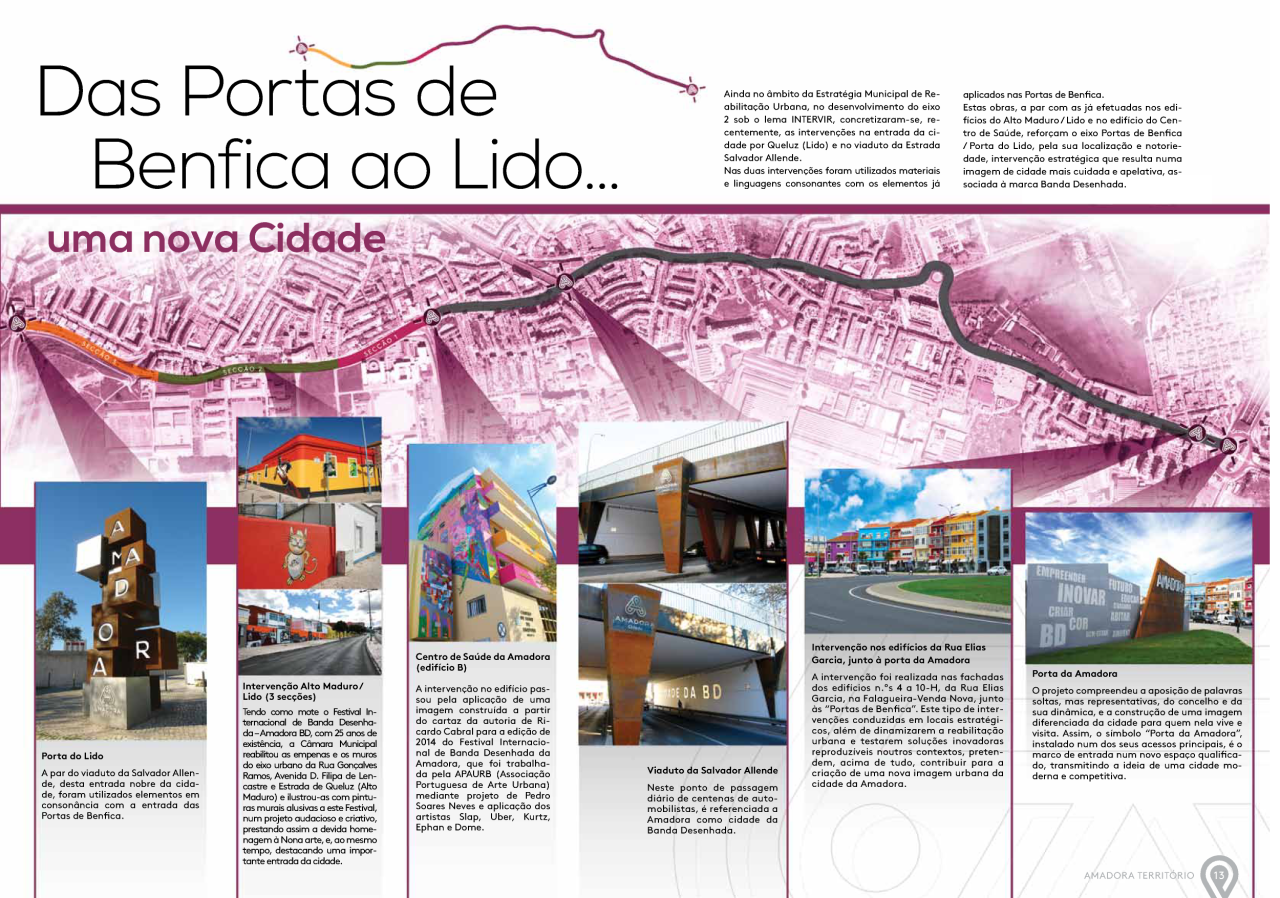
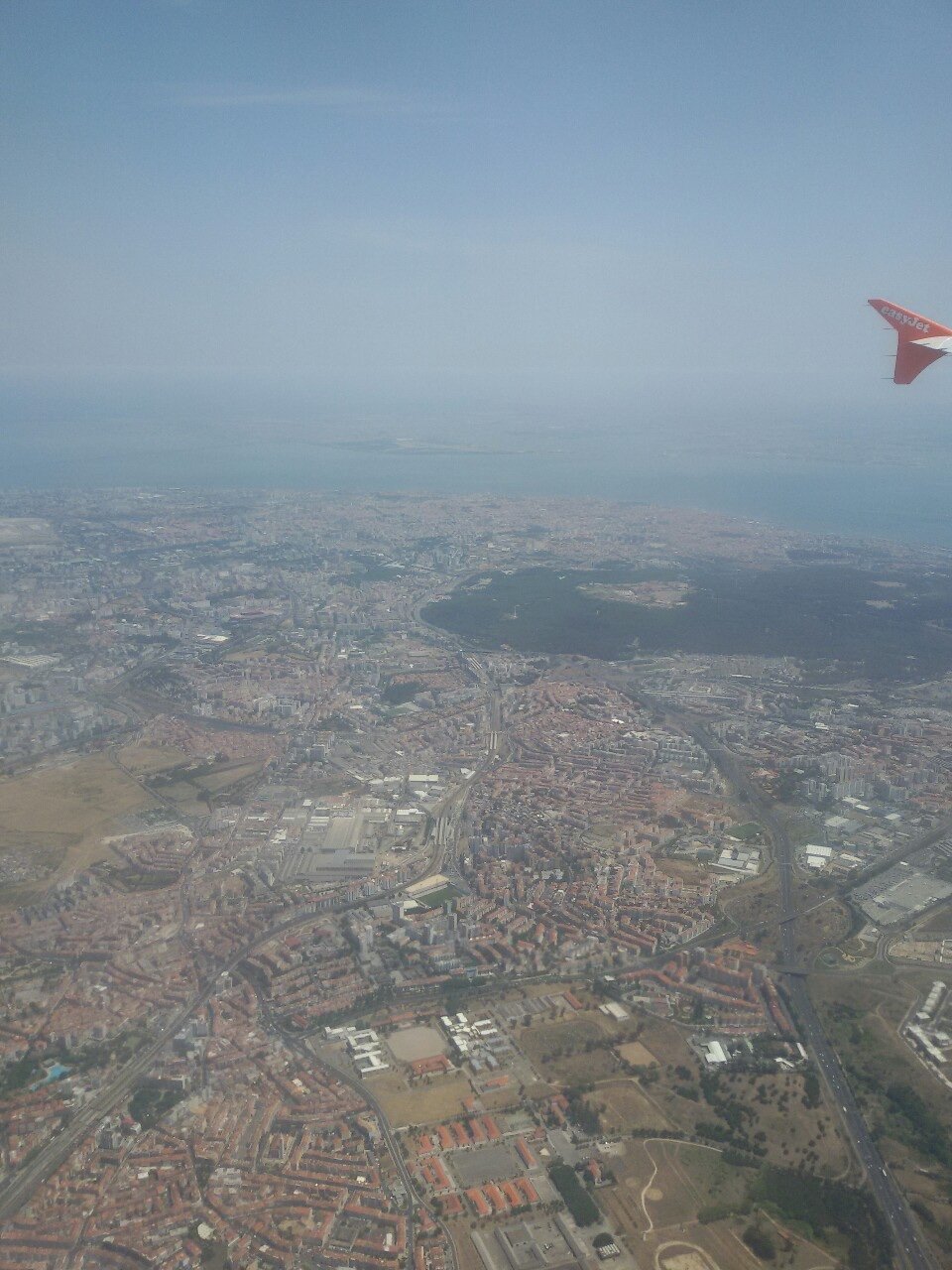
Das Portas de Benfica ao Lido e Queluz. Uma estrada, uma cidade, Amadora.
 (2017)
[Diversity: An Ideology]
While the rapid spread of affirmative action policies met a backlash in the late 1970s, this resistance was largely a white middle class revolt.
Support never flagged among elites. In fact, most of the country's largest corporations opposed the Reagan administration's efforts to dismantle affirmative action practices in the early 1980s.
Despite regulatory relief, nearly all Fortune 500 firms continued to pursue or even expand efforts to recruit and employ more racial minorities and women.
Elite universities remained strongly committed as well. In 1978, the Supreme Court issued its famously scattered ruling. In a victory for affirmative action supporters, the Court agreed that some alternative system of racial preferences could pass constitutional muster.
It is precisely here that the ideology of diversity entered mainstream American thought and practice.
Justice Powell argued that "a diverse student body" was a worthy goal of any university which allowed the consideration of race in admissions.
He justified this neither on the grounds of racial justice nor the amelioration of past or present discrimination, but on the grounds of diversity.
Powell claimed that racial and ethnic diversity advanced the core intellectual mission of American higher education, namely "speculation, experiment and creation," "the interplay of ideas and the exchange of views," and an encounter of differing "ideas and mores of students as diverse as this Nation of many peoples."
This claim hardly originated with Powell, of course. He was simply repeating the collective views of Harvard, Columbia, Stanford, and the University of Pennsylvania as stated in their joint brief to the Court in defense of affirmative action.
The country's managerial elite now rarely misses an opportunity to demonstrate commitment to diversity.
When policies barring consideration of race, ethnicity, and sex in the public sector went to referendum, in each case, the largest corporations in the area – Exxon, Enron, Boeing, Microsoft, General Motors, Ford – were among the strongest opponents.
In 2012 and again in 2015, 45 Fortune 100 firms argued that diversity is essential both for individual "success in the corporate world" as well as "business success" in "country and world economies that are increasingly diverse."
Diversity in higher education management is today so hegemonic that it stands as an orthodoxy against which only the most foolhardy or cantankerous now speak.
But is there really a business case for diversity? While most corporations claim to be true believers, social science gives a decidedly mixed answer.
That being said, the academic debate over diversity's impact on the bottom line is largely, well, academic.
Managers embraced diversity long before any meaningful evidence existed for its positive effects.
The first systematic academic study of whether diversity policies even produce diversity, much less profitability, wasn't published until 2006. Business and educational elites certainly aren't waiting around for academics to tell them what to do now.
Higher education managers are in a similar position. Universities claim the case for diversity is an educational one, an argument their most elite representatives pioneered decades ago. Yet academic debate continues, particularly over the degree to which diversity improves student cognitive skills and tendencies.
Despite all this uncertainty, higher education displayed total unity of purpose in the Fisher case.
Plaintiffs Abigail Noel Fisher applied to the University of Texas at Austin in 2008 and was denied admission.
The woman, White, filed suit, alleging that the University had discriminated against her on the basis of her race in violation of the Equal Protection Clause of the Fourteenth Amendment.
Briefs supporting the University of Texas were filed by seventy-five universities and colleges as well as by the American Association of College Registrars and Admissions Officers, the Association of American Medical Colleges, and the Association of American Law Schools.
Not one college, university, or educational organization filed in support of Abigail Fisher.
Darel E. Paul (2018)
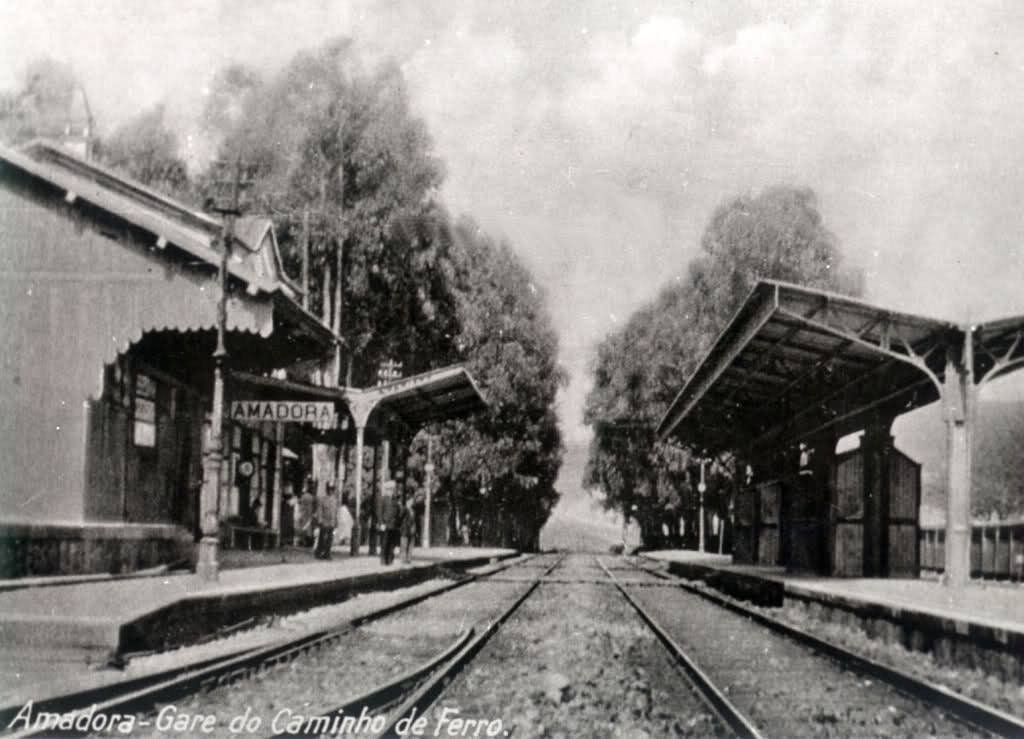
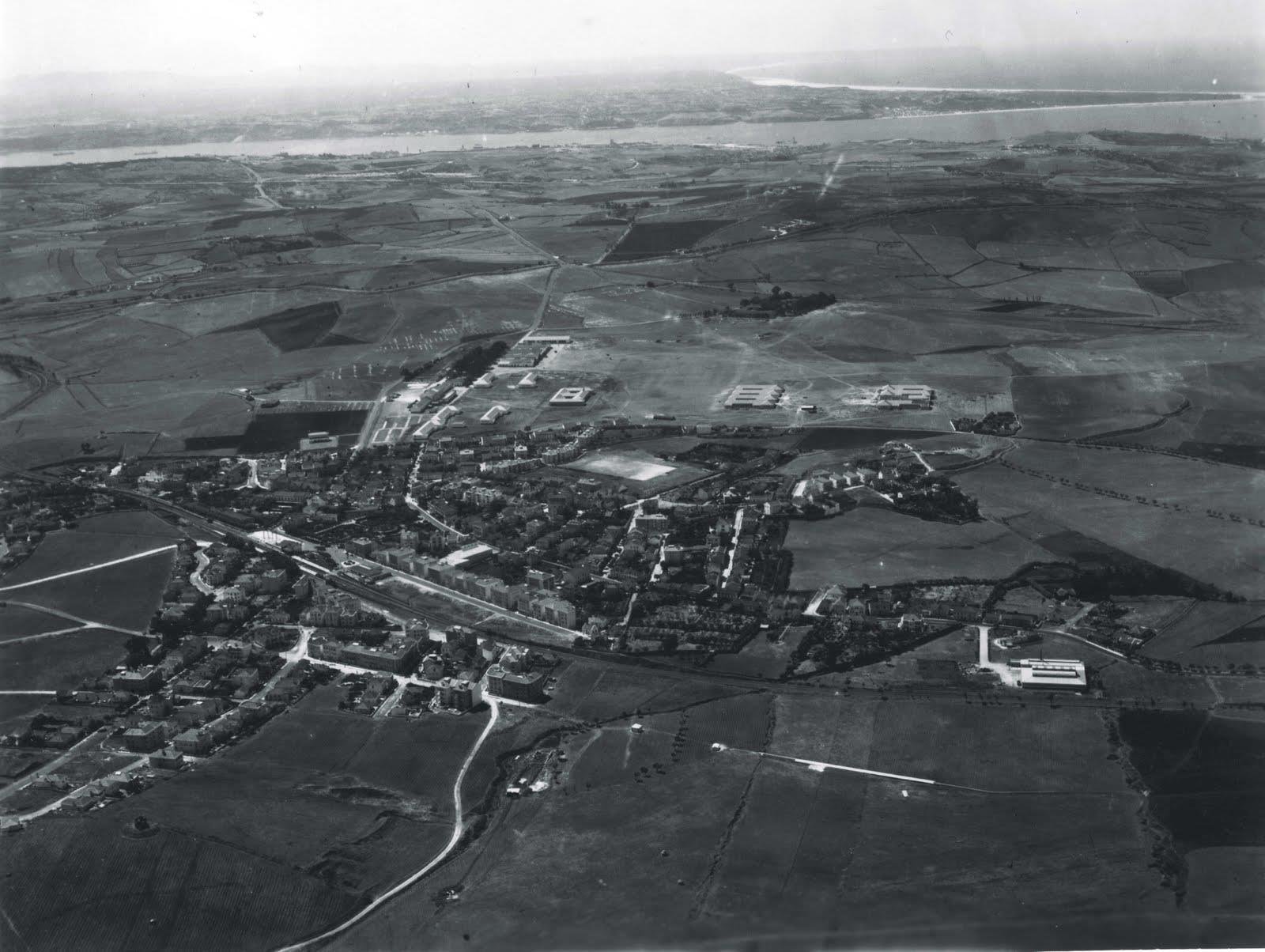
O modesto lugar da Amadora reduzia-se a algumas quintas, meia-dúzia de pardieiros e uma venda. Estes obscuro lugarejo localizava-se a um quilometro, se tanto, da aldeia da Porcalhota.
Tão ignorado e humilde era este lugarejo chamado de Amadora que, ao proceder-se à construção da linha de ferro de Lisboa a Sintra (1887), ninguém se lembrou de dar o seu nome à estação edificada naqueles terrenos.
Como a Porcalhota era a povoação mais importante ali próxima, batizaram a estação com seu nome e não de Amadora, onde efetivamente a estação foi edificada.
Apenas em 1908, devido a um petição efectuada em 1907, por Eduardo Ferreira do Amaral ao Rei D. Carlos, o nome da estação mudou para Amadora.
Amadora Desaparecida (2013)
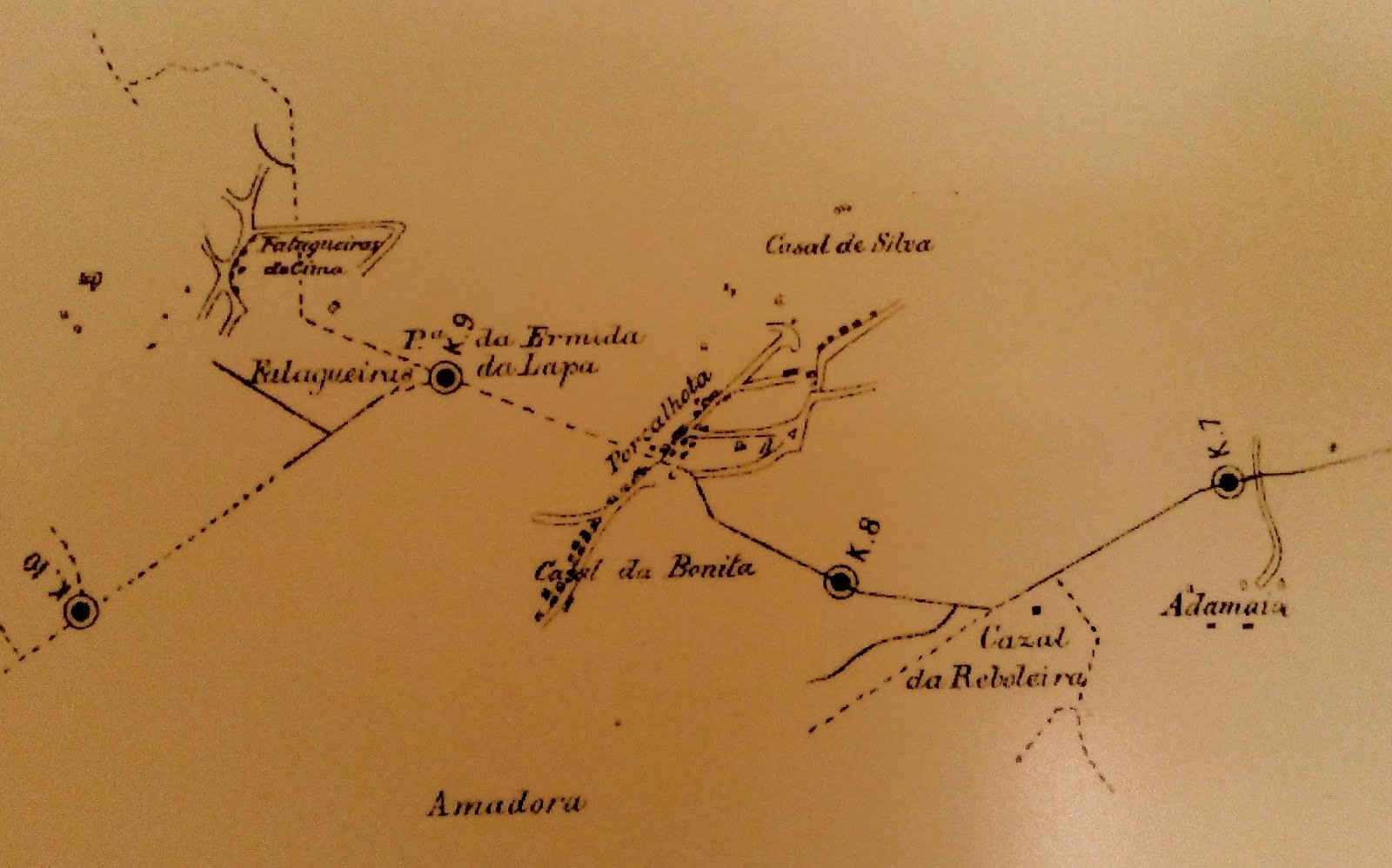 Planta do Aqueduto das Águas Livres na Amadora – Augusto Montenegro, 1895
 Amadora 1940
[Cooperation]
The Tragedy of the Commons occurs when a group’s individual incentives lead them to take actions which, in aggregate, lead to negative consequences for all group members.
It is a multi-player version of the Prisoner’s Dilemma. In the version of the game from which it got its name, the players are two prisoners, held in separate cells.
Each has to choose between “cooperating” with the other (keeping quiet) or “defecting” (giving evidence against the other). Each makes the choice without knowing what the other will do.
If both prisoners keep quiet, they are each sentenced to one year in prison. If one rats on the other, he or she goes free and the other gets 10 years.
If they both rat on each other, they each get 5 years. The problem arises because whatever your opponent does, defecting gives you a higher payoff than cooperating.
In 1984 Robert Axelrod published a book called The Evolution of Cooperation, which contained a surprising reflection: if you play a Prisoner’s Dilemma game, not once, but repeatedly, then what you are likely to see emerging is cooperative, rather than mutually destructive, behaviour.
He announced a competition, inviting the submission of computer programs to play Prisoners Dilemma, which he pitted against each other to see which strategies did best.
Surprisingly, it was the simplest programme which won: called Tit-for-Tat, submitted by Professor Anatol Rapoport.
Axelrod went on to boil the essence of Tit-for-Tat down to three simple rules:
1. Be Nice. Start by cooperating, and never be the first to defect. Otherwise you have no chance of getting into the zone where you both cooperate repeatedly and rack up the best outcome over time.
2. Be Retaliatory. If the other player defects, inflict a cost on him or her which is at least as severe – otherwise you open yourself to exploitation.
3. Be Forgiving. If your opponent mends his ways after defecting, restore cooperation as quickly as possible, so that you can both get back to scoring highly on each round.
[How to Make A Sexy Ad]


 (2013)